
Transforming HR as a Competitive Advantage
Meet your Program Faculty
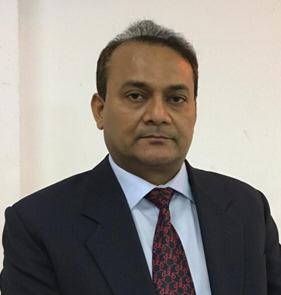
MOHD. RAFIQUL ISLAM
Senior Program Faculty
Mohd. Rafiqul Islam is a distinguished Senior HR leader and Enterprise Transformation Consultant with over 27 years of experience in bridging the gap between people strategy and business outcomes. He is widely recognized for his expertise in Organizational Development (OD), KPI-driven Performance Management (Hoshin Kanri), and Compensation Architecture. Having worked across diverse sectors—including Pharmaceuticals, FMCG, Automobile Manufacturing, and Steel—hefocuses on integrating AI-enabled HR solutions to optimize workforce productivity and realize sustainable competitive advantage.
Education & Credentials
- MPHRM – University of Dhaka
- MBA (major in HR) – University of Science & Technology Chittagong (USTC)
- MSS Economics – University of Rajshahi
- Execution & Leadership – Harvard Business School
- Productivity & Innovation Management – Nanyang Polytechnic, Singapore
- Certified OD Professional (CODP) – CAP, UK
Areas of Expertise
- Strategic HR & Organizational Capability
- KPI-Driven Performance (Hoshin Kanri)
- Compensation Design & Reward Architecture
- AI-Enabled HR & Digital Transformation
Program Value Proposition
As technology and products become replicable, people, culture, and capability define advantage. This program equips HR leaders to architect systems that drive execution excellence, differentiation, and sustainable competitive performance.
Program Architecture
This practitioner-focused program equips HR professionals and business leaders with the capability to translate business strategy into people-driven competitive advantage. Drawing on global strategy frameworks, real organizational cases, and locally grounded examples, the program demonstrates how HR creates measurable value through talent, culture, leadership, and execution systems—moving HR from support to strategic differentiation.
Understanding Competitive Advantage
- Understand competitive advantage through Porter and VRIN lenses
- Distinguish temporary advantage from sustainable advantage
- Recognize why people, culture, and capability are hard to imitate
- Case discussion: Why similar strategies produce different results
- Reflection: Identifying sources of advantage in participants’ organizations
How HR Builds Competitive Advantage
- Reframe HR from support function to advantage creator
- Understand HR’s role in cost, differentiation, capability, and execution advantage
- Link HR decisions to business outcomes
- Mapping exercise: HR practices → competitive advantage logic
- Case insight: HR-driven advantage at Case Organization
Aligning HR Strategy to Business Strategy
- Translate business strategy into HR priorities
- Align workforce, culture, and leadership with strategic intent
- Avoid misalignment between strategy and people systems
- Strategy-to-HR alignment workshop
- Diagnostic exercise: Identifying alignment gaps
Building Transformative HR Systems
- Design HR systems that enable execution, not administration
- Understand how policies, processes, and structures shape behavior
- Build coherence across talent, performance, and reward systems
- System design lab: Building an integrated HR system
- Case analysis: When HR systems block strategy
Tools & Frameworks to Position HR as a Competitive Advantage Creator
- Apply proven frameworks to strengthen HR’s strategic role
- Use structured tools to diagnose and design HR interventions
- Position HR insights in executive language
- Framework application exercise (HR Canvas / Strategic mapping)
- Group work: Designing HR interventions using tools
Measuring HR Impact & Driving Transformation
- Measure HR impact beyond activity metrics
- Link HR outcomes to productivity, risk, and performance
- Build credibility through data and evidence
- KPI design workshop: Measuring HR impact
- Case-based exercise: Translating HR metrics into business value
Sustaining Competitive Advantage
- Understand sustainability through people, culture, and capability
- Embed learning, adaptability, and leadership continuity
- Institutionalize advantage over time
- Sustainability scorecard design
- Capstone reflection: Rebuilding advantage if it is lost
Program Outcomes
Participants will be able to:
• Position HR as a source of competitive advantage
• Translate business strategy into workforce strategy
• Diagnose capability, talent, and leadership risks
• Design and execute strategic workforce plans
• Measure and sustain HR-driven business value
Program Modality
• Executive-grade presentations
• Faculty-led strategic discussions
• Real-world organizational cases
• Hands-on planning and diagnostic tools
• Capstone application exercise
Who Should Attend
• HR Leaders and HR Business Partners
• Talent, Workforce Planning, and OD Professionals
• Business Leaders responsible for execution and growth
• Consultants supporting people and strategy transformation
Conclusion: HR as the Advantage
Competitive advantage no longer comes from strategy documents—it comes from how well organizations mobilize people to execute strategy.
This program is designed to transform HR from a support function into a strategic advantage engine, capable of shaping performance, resilience, and long-term success.
When strategy is clear, and people systems are aligned, advantage is not temporary—it is sustained.
Certification Awarded

Certification Requirements
To earn the Certificate of Completion, participants must actively participate in all modules and complete the associated exercises and capstone application.
This ensures demonstrated capability—not just conceptual understanding.